|
When most people hear the word metabolism, they think about burning calories or losing weight. But metabolism is much bigger than that. It’s the process by which your body turns food into energy, repairs cells, balances hormones, and fuels every organ system. In other words, metabolic health is whole-body health.
Unfortunately, research shows that fewer than 15% of adults meet the standard definition of “metabolically healthy.” That means the vast majority of people are living with subtle imbalances—sometimes for years—before conditions like diabetes, heart disease, or cognitive decline show up.
What Is Metabolic Health?
From a conventional standpoint, metabolic health is measured by five markers:
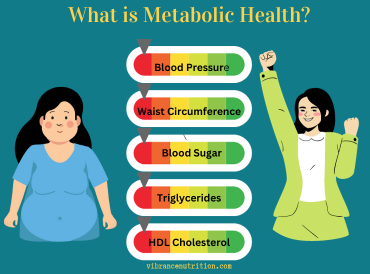 Blood sugar levels Blood sugar levels- Blood pressure
- Triglycerides
- HDL cholesterol (the “good” kind)
- Waist circumference
If all five are in the optimal range, you’re considered metabolically healthy.
From a functional medicine perspective, we go deeper. We ask:
- Is your body producing and using energy efficiently?
- Are your mitochondria (the “powerhouses” of your cells) resilient?
- How well is your gut microbiome supporting nutrient absorption and detoxification?
- Are stress, sleep, toxins, or hormones creating hidden imbalances?
Why Do People Develop Metabolic Problems?
Metabolic dysfunction is rarely caused by one single factor. Instead, it’s usually a “perfect storm” of lifestyle, environment, and genetics. Common root causes include:
- Poor diet (refined carbs, processed foods, sugar) leading to blood sugar swings
- Sedentary living that reduces muscle mass and metabolic flexibility
- Chronic stress and disrupted sleep patterns that imbalance cortisol and insulin
- Toxins (plastics, pesticides, heavy metals) that strain the liver and mitochondria
- Gut imbalances like candida, parasites, or leaky gut that disrupt nutrient absorption
- Hormonal shifts in thyroid, adrenals, or sex hormones that affect energy regulation
What Are the Symptoms of Poor Metabolic Health?
You don’t need lab work to notice early signs of imbalance. Symptoms can include:
- Constant fatigue or mid-afternoon crashes
- Brain fog, poor focus, or memory lapses
- Sugar cravings, irritability, or shakiness when hungry
- Weight gain around the midsection, or difficulty losing weight
- High blood pressure or cholesterol
- Frequent infections, allergies, or inflammation
- Mood swings, low libido, or irregular cycles
- Trouble falling asleep or staying asleep
Over time, if these signals are ignored, they can progress into conditions like type 2 diabetes, fatty liver disease, cardiovascular issues, or even Alzheimer’s disease.
A Functional Medicine Approach to Healing
Instead of chasing symptoms, functional medicine looks for the root causes of metabolic dysfunction and builds a personalized plan. Core strategies include:
 1. Nutrition 1. Nutrition
- Prioritize whole, nutrient-dense foods (protein, healthy fats, colorful plants).
- Balance blood sugar by eating protein + fiber with every meal.
- Consider gentle intermittent fasting or circadian eating when appropriate.
2. Movement
- Aim for daily walking, especially after meals.
- Build muscle with strength training—your muscles are your metabolic engine.
3. Stress & Sleep
- Practice daily stress relief (breathwork, meditation, journaling).
- Protect your circadian rhythm by winding down before bed and limiting screen time.
4. Detox & Gut Health
- Support liver health with cruciferous veggies, lemon, and herbs like milk thistle.
- Restore gut balance with probiotics, prebiotics, and addressing hidden infections.
5. Targeted Support
- Key nutrients: magnesium, omega-3s, vitamin D, and B vitamins.
- Herbal/metabolic supports: berberine, curcumin, CoQ10, and adaptogens.
- Always individualized based on your unique needs and testing.
The Bottom Line
Metabolic health is not just about weight—it’s about energy, resilience, and longevity. From a functional medicine perspective, the earlier you notice subtle imbalances and address them, the better your long-term outcomes will be. By supporting your body with the right foods, movement, sleep, and targeted therapies, you can reclaim energy, balance your hormones, and reduce your risk of chronic disease.
Your body is designed to heal. Sometimes it just needs the right environment and support.
During the months of October and November I'm going to teaching about Metabolic Health in the Empowered Health Collective.
- What is it
- Why People Develop Metabolic Problems
- Signs & Symptoms of Poor Metabolic Health
- Functional Medicine Approach to Metabolic Health
- Putting It Into Practice
- Q&A, personalized planning, and next steps
All these classes will be recorded, so if you miss any, you can watch them later.
If you would like to join, click here.
|