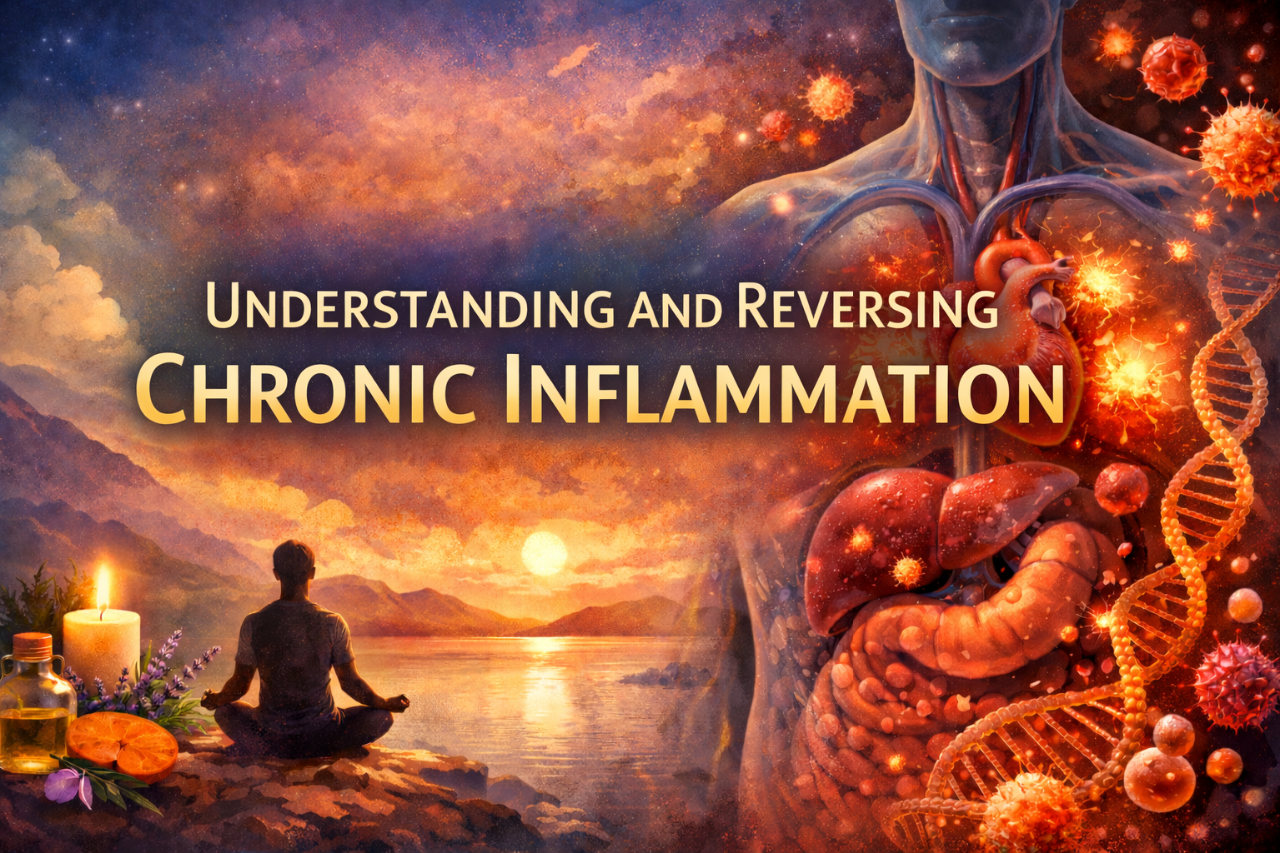
One of the Root Causes Behind Many Chronic Health Conditions
Inflammation is often misunderstood.
Most people think of inflammation as something obvious, a swollen ankle after a sprain, redness around a cut, or soreness after an injury. That type of inflammation is actually helpful. It’s your body’s natural healing response.
But there is another type of inflammation that often goes unnoticed.
Systemic inflammation is a low-grade, chronic inflammatory response that can quietly affect the entire body for years before symptoms become obvious. Today, researchers and functional medicine practitioners believe this type of inflammation sits at the root of many modern chronic diseases.
Conditions linked to systemic inflammation include:
- Chronic fatigue
- Brain fog
- Hormonal imbalance
- Autoimmune disease
- Heart disease
- Metabolic dysfunction
- Chronic pain
- Digestive disorders
The important question is not whether inflammation exists, it’s why it stays turned on.
What Is Systemic Inflammation?
Acute inflammation is a short-term response to injury or infection. It helps the body repair tissue and fight off pathogens.
Systemic inflammation is different.
It is:
- Low grade
- Chronic
- Body-wide
- Often silent for years
It occurs when the immune system believes there is a constant threat in the body.
That threat might not be an infection. In modern life, it is often something much more subtle.
Common Causes of Chronic Inflammation
Blood Sugar Instability
One of the biggest drivers of inflammation today is unstable blood sugar.
Frequent spikes in blood sugar trigger inflammatory pathways and oxidative stress in the body. Over time this contributes to insulin resistance and metabolic dysfunction.
Common contributors include:
- Refined sugar
- Ultra-processed foods
- High carbohydrate meals without protein
- Sweetened beverages
- Highly processed grains
Even foods that seem healthy can cause spikes when eaten alone without protein or fat to slow absorption.
Gut Permeability (Leaky Gut)
Your gut is actually the largest immune organ in the body.
When the intestinal lining becomes damaged, tiny particles from food, bacteria, and toxins can leak into the bloodstream. The immune system reacts to these particles as foreign invaders, triggering inflammation.
Factors that contribute to gut permeability include:
- Ultra-processed foods
- Excess sugar
- Seed oils
- Alcohol
- Antibiotics
- Chronic stress
- Pesticides and herbicides
Over time, this immune activation can spread beyond the gut and become systemic.
Environmental Toxin Exposure
Modern life exposes us to a variety of environmental toxins that place a burden on the immune system.
Examples include:
- Air pollution
- Mold exposure
- Chemical toxins
- Heavy metals
- Smoke exposure
When detox pathways become overwhelmed, inflammation increases.
Mitochondrial Stress
Mitochondria are often called the power plants of our cells. They produce the energy our bodies need to function.
When mitochondria become stressed by toxins, infections, nutrient deficiencies, or poor sleep, they produce excessive reactive oxygen species, commonly known as free radicals.
This oxidative stress is a major trigger for inflammatory signaling throughout the body.
Chronic Stress and Poor Sleep
Stress and inflammation are deeply connected.
Chronic stress increases cortisol levels, which can keep inflammatory pathways activated.
Sleep deprivation also reduces the body’s ability to detoxify and repair tissues.
Over time this can contribute to:
- Brain fog
- Hormone imbalances
- Chronic pain
- Metabolic dysfunction
- Sedentary Lifestyle
Movement plays an important role in regulating inflammation.
A sedentary lifestyle slows circulation, impairs metabolic health, and contributes to immune dysregulation.
Even regular exercise cannot fully offset long periods of inactivity. Consistent daily movement is key.
Signs of Systemic Inflammation
Systemic inflammation can affect many systems in the body.
 Brain Brain
- Brain fog
- Memory issues
- Headaches
- Anxiety
- Depression
Joints and Muscles
- Morning stiffness
- Chronic pain
- Joint inflammation
- Muscle tension
Cardiovascular System
- High blood pressure
- Arterial plaque
- Elevated C-Reactive Protein (CRP)
CRP is a blood marker that measures inflammation and can indicate risk for cardiovascular disease.
Metabolic Health
- Insulin resistance
- Weight gain
- Difficulty losing weight
- Fatigue after meals
- PCOS
Skin
- Acne
- Rosacea
- Eczema
- Psoriasis
The skin is often a reflection of what is happening in the gut.
Hormones
- PMS
- Estrogen dominance
- Thyroid dysfunction
- Adrenal fatigue
How to Reduce Systemic Inflammation
The goal is not to suppress inflammation with medication alone.
Instead, we want to remove the triggers and support the body’s natural healing processes.
1. Stabilize Blood Sugar
Balancing blood sugar is one of the most powerful ways to reduce inflammation.
Focus on meals that include:
- 30–40 grams of protein
- High-fiber vegetables
- Healthy fats such as avocado, olive oil, and fish
Limit:
- Refined sugar
- Ultra-processed foods
- Seed oils (canola, soybean, etc.)
- Processed meats
Certain natural compounds such as berberine may help regulate blood sugar spikes when eating higher-carbohydrate meals.
2. Heal the Gut
Restoring gut health can dramatically lower inflammation.
Helpful steps include:
- Removing gluten for several weeks
- Reducing alcohol
- Increasing fermented foods
Foods that support gut healing include:
- Bone broth
- Collagen
- Kefir
- Sauerkraut
- Miso
Helpful nutrients may include:
- L-glutamine
- Zinc carnosine
- Probiotics
- Butyrate
3. Increase Anti-Inflammatory Nutrients
Certain nutrients help reduce inflammatory signaling.
Examples include:
- Omega-3 fatty acids
- Curcumin (turmeric)
- Magnesium
- Vitamin D
- N-acetyl cysteine (NAC)
These nutrients support immune balance and detox pathways.
4. Improve Sleep and Nervous System Balance
Sleep and nervous system regulation are essential for lowering inflammation.
Helpful habits include:
- 7–8 hours of sleep per night
- Avoiding screens for one hour before bed
- Practicing deep breathing
- Gentle movement such as walking, Tai Chi, or Qigong
These practices help shift the body out of stress mode and into repair mode.
Final Thoughts
Systemic inflammation is not random.
It is usually a signal that something in the body’s environment or lifestyle is out of balance.
The most effective approach is to:
- Stabilize blood sugar
- Heal the gut
- Reduce toxin exposure
- Improve sleep
- Support nutrient status
When these foundations are restored, many symptoms begin to improve naturally.
The body has an incredible capacity to heal when the conditions are right.
Want Help Addressing the Root Causes of Your Health Challenges?
If you're dealing with chronic inflammation, fatigue, digestive issues, hormone imbalances, or other persistent health challenges, you don't have to figure it out alone.
Inside the Empowered Health Collective, we help people uncover and address the root causes of chronic illness through a powerful combination of:
- Functional medicine education
- Medical intuitive insights
- Energy healing
- Nutrition and detox guidance
- Weekly health workshops
- Live Q&A sessions
- Monthly medical intuitive readings
This community is designed to help you take back control of your health and support your body’s natural healing ability.
✨ Members also receive access to regular Healing Hour sessions, where we dive deeper into topics like systemic inflammation, detoxification, gut health, hormones, and much more.
If you’re ready to move from chronic symptoms to empowered wellness, we invite you to join us for $1.
|