|
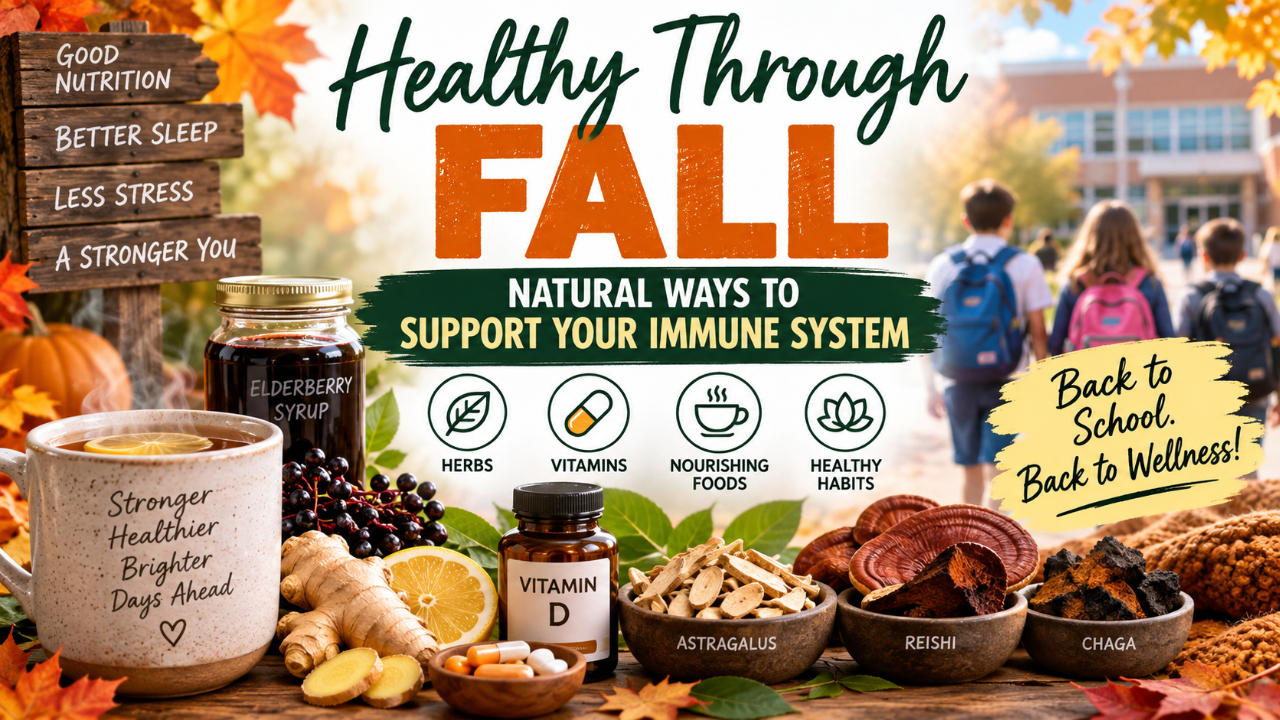
As summer begins to wind down and you transition into fall, your routines start changing.
Kids are heading back to school. Vacations are ending. People are returning to work, spending more time indoors, and finding ourselves surrounded by more people again.
At the same time, the days are becoming shorter, temperatures are dropping, and cold and flu season is just around the corner.
This makes early fall a wonderful time to start thinking about the health of your immune system before you get sick.
Rather than waiting until you're already fighting something, there are simple things you can begin doing now to support your body's natural defenses.
Your Immune System Is More Than Your Defense Against Colds
Are you someone that doesn't think about your immune system until you get sick.
Your immune system is working for you 24 hours a day.
It's an incredibly complex network of cells, tissues and organs that helps identify and respond to viruses, bacteria and other potential threats while also regulating inflammation and helping your body recover.
The goal isn't necessarily to have an immune system that's constantly "boosted."
The goal is a healthy, resilient and appropriately regulated immune system.
And many of the things that influence immunity are within your control.
Nutrition, sleep, stress, digestive health, vitamin and mineral status, movement and even how much time you spend outdoors can all influence how well your immune system functions.
Why Fall Can Challenge Your Immune System
Back-to-school season creates the perfect environment for germs to circulate.
Children spend hours together in classrooms, share toys and equipment, and then bring those exposures home.
Adults are returning to offices, meetings, conferences and other indoor environments.
As temperatures cool, windows close and you naturally spend more time indoors with other people.
But exposure is only part of the picture.
Fall can also mean busier schedules, less sunlight, disrupted sleep, more stress and changes in eating habits, all of which can affect immune resilience.
That's why September is a great time to establish a simple fall immune-support routine.
1. Make Vitamin D a Priority
Vitamin D plays an important role in normal immune function.
 Your body can produce vitamin D when your skin is exposed to sunlight, but as you move into fall and winter, especially if you live in North Ameria or other northern climates your opportunity to produce vitamin D naturally becomes much more limited. Your body can produce vitamin D when your skin is exposed to sunlight, but as you move into fall and winter, especially if you live in North Ameria or other northern climates your opportunity to produce vitamin D naturally becomes much more limited.
Vitamin D is also difficult to obtain in significant amounts through food alone.
Most people benefit from 1000-2000IU of Vitamin D per day via supplementation.
For most people fall is a good time to talk with your doctor about checking your vitamin D level and whether supplementation is appropriate for you.
Vitamin D isn't just an "immune vitamin." It also contributes to bone health, muscle function and many other processes throughout the body.
2. Don't Forget Vitamin C
Vitamin C is another nutrient that's essential for normal immune function and acts as an antioxidant in the body.
Rather than thinking only about vitamin C supplements, try incorporating vitamin-C-rich foods into your meals every day.
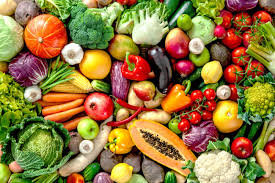 Some great options include: Some great options include:
- Red and yellow peppers
- Kiwi
- Citrus fruits
- Berries
- Broccoli
- Brussels sprouts
- Cabbage
- Tomatoes
Supplement with vitamin C during cold and flu season is a really good idea to prevent or lessen duration of cold or flu.
A good prevention dosage is 1000mg per day.
3. Make a Fresh Lemon, Ginger & Honey Tea
Sometimes the simplest remedies are the ones we return to year after year.
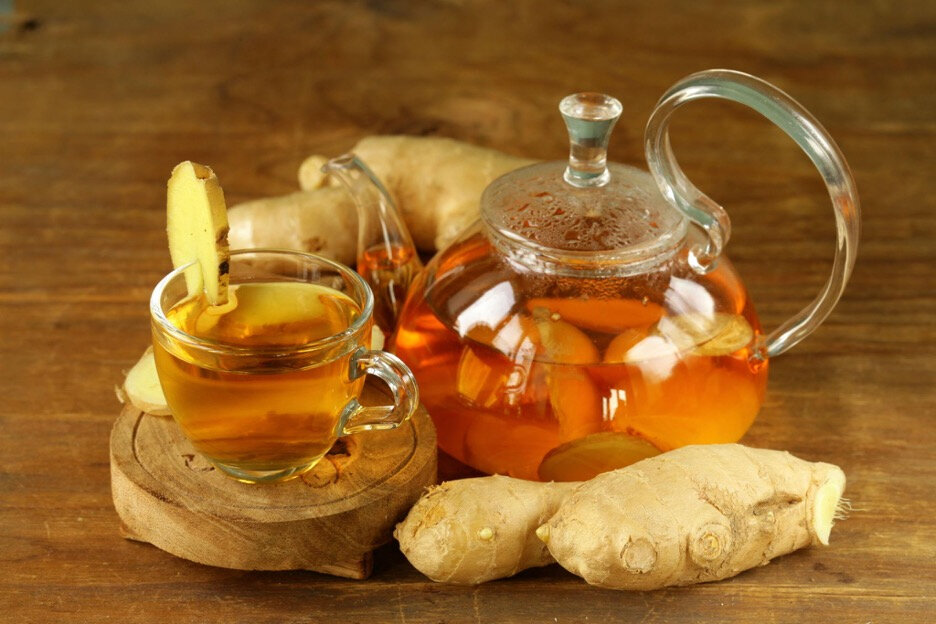 One of my favourites during the colder months is a homemade lemon, fresh ginger and honey tea. One of my favourites during the colder months is a homemade lemon, fresh ginger and honey tea.
Slice or grate fresh ginger into boiled water and allow it to steep for about 5–15 minutes. Once it has cooled slightly, add fresh lemon juice and a spoonful of honey. Local honey or regional honey is best.
Ginger contains natural plant compounds and has traditionally been used to support digestion and respiratory comfort. Lemon provides vitamin C and other phytonutrients, while honey can be soothing for an irritated throat or cough.
It's warming, comforting and a great alternative to sugary drinks.
4. Elderberry Syrup
Elderberry has become one of the most popular traditional herbal remedies during cold and flu season.
 Elderberries contain anthocyanins and other antioxidant plant compounds and have a long history of traditional use for respiratory illnesses. Elderberries contain anthocyanins and other antioxidant plant compounds and have a long history of traditional use for respiratory illnesses.
You'll commonly find elderberry as syrups, gummies, lozenges and extracts.
Elderberry is contain high levels of anthocyanins, which give the berries their dark color and help fight cell-damaging free radicals, helps shorten the durations of colds and flus and is nutrient dense in vitamin C, and other immune supportive nutrients.
5. Astragalus Root
Astragalus is one of my favourite herbs to use in the fall and has been used for centuries in Traditional Chinese Medicine.
Traditionally, it has been used as a tonic to strengthen resilience and support the body's defensive energy/immune system, boost energy, strengthen the respiratory tract/lungs and digestive system.
From a modern perspective, researchers have become interested in the polysaccharides and other compounds naturally present in astragalus and their potential effects on immune function.
Astragalus can be found as capsules, tinctures and extracts, but the dried root can also be added to soups and broths and removed before serving.
As a tonic or cold and flu prevention I recommend 1-2ml of tincure in warm water 1-2x per day. Or 1 capsule 1-2x per day. It's best taken in morning and or early afternoon.
6. Explore Medicinal Mushrooms
Medicinal mushrooms have been used in traditional healing systems for generations and have become increasingly popular for immune support because they make your immune system smarter and more adaptable.
Two well-known examples are reishi and chaga.
Reishi
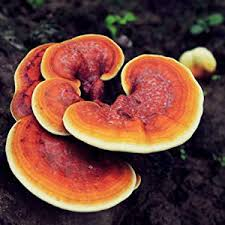 Reishi contains naturally occurring beta-glucans and other compounds that are being studied for their effects on immune regulation. Reishi contains naturally occurring beta-glucans and other compounds that are being studied for their effects on immune regulation.
Rather than thinking of reishi as simply "boosting" the immune system, it's better to think about medicinal mushrooms as potentially supporting healthy immune regulation. It increases white blood cell formation and infection fights cells.
Chaga
Chaga is another mushroom traditionally consumed as a tea or extract.
It's great for lowering inflammation, optimizing white blood cell creation to target harmful bacteria and viruses and protecting cells from damage.
For prevention take medical mushrooms according to bottle dosage.
7. Support Your Gut to Support Your Immune System
One of the most overlooked aspects of immunity is the digestive system.
A significant amount of immune activity takes place around the intestinal tract, where the body constantly communicates with microbes, food compounds and the outside environment.
Your gut microbiome also interacts closely with your immune system.
Supporting digestive health therefore becomes an important part of supporting immune health.
Try incorporating a variety of whole plant foods throughout the week, especially vegetables, berries, herbs, legumes, nuts, seeds and other fibre-rich foods that help nourish beneficial gut bacteria.
Fermented foods such as sauerkraut, kimchi, kefir and unsweetened yogurt can also be helpful additions for many people.
Bone broth is a superfood for your gut and immune system.
Throughout the fall and winter drinking it on its own and using it as a base in soups, stew or even instead of water when you cook grains can make a significant difference to your overall health and wellbeing.
8. Reduce Sugar and Focus on Nutrient-Dense Foods
Fall doesn't have to mean eating perfectly.
But your immune system requires adequate protein, vitamins, minerals and other nutrients to function properly.
Build meals around whole foods such as:
Protein: eggs, fish, poultry, meat, beans and lentils
Colourful vegetables: broccoli, peppers, carrots, cabbage, leafy greens, squash and beets
Healthy fats: olive oil, avocado, nuts and seeds
Antioxidant-rich foods: blueberries, raspberries, cranberries, plums, apples, pears, pomegranate, herbs and spices
Immune-supportive foods: garlic, onions, ginger, turmeric and mushrooms
Think about your meals as an opportunity to continually provide your body with the raw materials it needs to function well.
9. Sleep May Be One of Your Most Powerful Immune Tools
 You can take all the supplements in the world, but they can't compensate for chronically poor sleep. You can take all the supplements in the world, but they can't compensate for chronically poor sleep.
Sleep and immune function are closely connected.
During sleep, your body performs important repair and regulatory processes, including processes involving immune signaling.
Aim for a consistent sleep schedule whenever possible.
Try dimming the lights in the evening, reducing screens before bed, keeping your bedroom cool and dark, and giving yourself enough time to actually get the sleep your body needs.
10. Don't Ignore Stress
Stress is another piece of immune health that doesn't get enough attention.
Short-term stress is a normal part of life.
But when the nervous system remains in a prolonged state of fight-or-flight, elevated stress hormones and disrupted sleep can influence immune and inflammatory responses.
This is why practices that regulate the nervous system can be incredibly valuable.
Walking outside, slow breathing, prayer, meditation, stretching, Qigong and simply spending quiet time in nature can all help move the body toward a calmer state.
You don't need an hour.
Even 5–10 minutes several times throughout the day can make a difference in how your nervous system responds to stress.
11. Get Outside and Keep Moving
Don't let cooler temperatures keep you indoors.
 Regular physical activity supports cardiovascular health, metabolic health, sleep, stress regulation and healthy immune function. Regular physical activity supports cardiovascular health, metabolic health, sleep, stress regulation and healthy immune function.
Walking is one of the simplest places to start.
Bundle up, get outside, breathe some fresh air and expose yourself to natural daylight, especially earlier in the day.
Your body was designed to move.
You Don't Need a Cupboard Full of Supplements
When people start thinking about immune support, it's easy to end up buying ten different supplements.
It doesn't have to be complicated.
A simple fall routine might include eating plenty of colourful whole foods, maintaining adequate vitamin D, getting vitamin C through food and supplementation, drinking fresh ginger-lemon-honey tea, using herbs such as elderberry or astragalus, incorporating medicinal mushrooms such as reishi, prioritizing sleep and taking time every day to regulate your nervous system.
The foundations matter most.
Start Supporting Your Immune System Before You Need It
You can't prevent every cold, flu or infection.
And getting sick occasionally doesn't necessarily mean that your immune system is weak.
But you can create an internal environment that gives your body the nutrients, rest and support it needs to respond appropriately when it's challenged.
As kids head back to school and you settle into your fall routines, use this transition as a reminder to take care of yourself too.
Eat nourishing foods.
Get outside.
Sleep.
Manage your stress.
Support your digestion.
Use herbs and supplements thoughtfully.
And remember that health isn't created by one supplement or one perfect meal.
It's built through the small things you consistently do every day.
Right now and before the end of September receive a one time 25% off your next supplement order like Vitamin C, D, elderberry or astragalus with Designs for Health with the coupon code: immunity.
USA Orders Here
Canadian Orders Here
|