Below is a Real-Life Example.
Overall, your scan suggests that your digestive system has several good foundational areas, but there are also some important imbalances that may be affecting how efficiently you digest food, absorb nutrients, maintain healthy intestinal bacteria and regulate blood sugar and inflammation.
The good part is that many of these areas are interconnected. By focusing on a few key priorities rather than trying to address everything at once, you can support your body in moving toward better digestive and metabolic balance.
TOP 3 HEALTH PRIORITIES
1. Restore intestinal balance and improve nutrient absorption
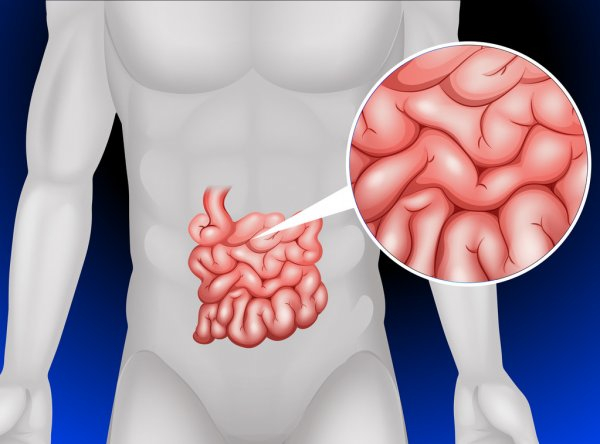 This is the strongest digestive theme I see.
Your scan showed significant stress around intestinal bacteria, small-intestinal nutrient absorption and colon absorption. Gastric peristalsis was also out of balance, suggesting that the movement of food through the upper digestive tract may not always be functioning optimally.
Your overall digestive function itself was relatively good, and stomach acid production was not one of the most significant weaknesses. This tells me that the bigger priority isn't simply "more stomach acid." The intestines, microbiome, absorption and digestive coordination deserve more attention.
Several digestive enzyme markers were also out of balance, particularly chymotrypsin, lipase and sucrase, while bile acids were also flagged. This may mean your body could use additional support breaking down proteins, fats and carbohydrates and coordinating digestion with bile flow.
What I recommend:
Eat slowly and chew your food thoroughly. Try to eat meals while sitting down and relaxed rather than eating while working, driving or feeling rushed.
Build most meals around whole foods: a quality protein, plenty of vegetables, healthy fats and a moderate portion of whole-food carbohydrates.
For the next 6–8 weeks, reduce the foods that showed the strongest sensitivity patterns, listed below. This gives your digestive system a period of reduced dietary stress.
Include cooked vegetables, soups, stews and other easily digested foods regularly if raw foods tend to cause bloating or discomfort.
Supplement support: A broad-spectrum digestive enzyme containing protease, lipase and carbohydrate-digesting enzymes would be my first consideration with larger meals. Because your scan did not show a clear overall deficiency in stomach acid, I would not automatically add high-dose Betaine HCl solely on the basis of this scan.
A quality probiotic may also be helpful for supporting the intestinal bacteria imbalance. Start gradually, especially if you are prone to bloating.
2. Improve blood sugar and insulin balance
 Blood-sugar regulation is another important area in this scan.
HbA1c, fructosamine and the post-meal glycemic marker were all significantly out of balance. Several insulin-resistance markers were also flagged, including adiponectin, free fatty acids and the IRi score.
This doesn't diagnose diabetes or insulin resistance, the only way to establish that is with appropriate laboratory testing, but it does make blood-sugar stability an important functional priority.
Blood sugar can also directly influence energy, cravings, mood, hormones, inflammation and digestive function.
What I recommend:
Avoid eating carbohydrates by themselves whenever possible. Pair fruit or starches with protein, healthy fat and/or fiber.
Start your meals with protein and vegetables and eat higher-carbohydrate foods afterward.
Reduce sugar, desserts, sweetened beverages, refined flour products and frequent snacking.
Aim for approximately 25–35 grams of protein at your main meals, adjusted for your individual needs.
A 10–15 minute walk after meals is one of the simplest strategies for supporting post-meal blood sugar.
Try to leave approximately 3 hours between dinner and bedtime.
Supplement support: Magnesium is a good foundational option because it supports insulin signaling, muscle function, nervous-system regulation and sleep. Berberine or other targeted glucose-support nutrients could potentially be considered later, but I would base that decision on symptoms, medications and actual blood work rather than the scan alone.
If you haven't had recent blood work, fasting glucose, HbA1c and fasting insulin would provide useful objective information.
3. Calm inflammation and strengthen the gut-brain connection
 There is an interesting combination in your scan: some conventional inflammatory markers such as hs-CRP were relatively balanced, while several cellular inflammatory/oxidative markers including NF-kappa B and myeloperoxidase were significantly out of balance.
Your scan also showed a strong vagal-tone imbalance along with stress-hormone patterns. Cortisol itself was elevated on the hormone section, while the separate cortisol-dysfunction marker was relatively balanced.
This is important because digestion isn't controlled only by what we eat.
Your nervous system determines whether your body is in a state that encourages digestion, absorption, intestinal movement and repair. Chronic sympathetic or "fight-or-flight" activity can make even a healthy diet more difficult to digest.
What I recommend:
Before meals, take 5 slow breaths, making your exhale slightly longer than your inhale.
Spend a few minutes every day practicing something that deliberately moves you into "rest and digest": walking outside, prayer, meditation, stretching, humming, singing or slow diaphragmatic breathing.
Prioritize consistent sleep and morning daylight exposure.
Continue emphasizing anti-inflammatory foods such as vegetables, herbs, berries that are well tolerated, extra-virgin olive oil and appropriate omega-3-rich foods.
Your glutathione marker was also under stress, making antioxidant support another useful area to work on through colorful plant foods, adequate protein and sulfur-containing foods that you tolerate.
STOMACH ACID & DIGESTIVE ENZYMES
Your scan does not suggest that low stomach acid is the dominant digestive problem right now. Stomach HCl production was only mildly shifted in one digestive section and balanced in the nutritional digestive-acid section.
Pepsin and several other enzymes were relatively balanced, while chymotrypsin, lipase and sucrase showed considerably more stress. Bile acids were also out of balance.
Therefore, I'd place greater emphasis on supporting overall digestive enzyme activity and bile/fat digestion rather than simply increasing stomach acid.
VITAMINS, MINERALS & NUTRIENT STATUS
Your scan also suggests that nutrient balance deserves attention.
Some of the stronger patterns appeared around calcium, selenium, chromium and iron, along with B1, B5, folate, vitamin C, vitamin D and vitamin E.
Several amino acids were also significantly out of balance, particularly cysteine, glycine, threonine and tryptophan.
This doesn't necessarily mean you are clinically deficient or have excessive levels of these nutrients. The scan cannot determine actual blood concentrations. Instead, I use these patterns to identify areas that may deserve nutritional support or conventional testing.
Vitamin D, iron/ferritin, B12/folate and potentially a comprehensive metabolic panel would be reasonable areas to verify with laboratory testing before using high-dose supplementation.
FOOD SENSITIVITY PLAN
Your food section gives us a useful temporary roadmap rather than a permanent "never eat this again" list.
I recommend using the strongest out-of-range foods as a 6–8 week elimination trial. Foods showing only mild imbalance can generally be reduced or rotated rather than completely eliminated. After the digestive system has had time to settle, foods can be reintroduced individually while monitoring digestion, energy, skin, congestion, headaches, joint discomfort and other symptoms.
FOODS SHOWING THE BEST CURRENT BALANCE
These are the foods that fell primarily within the scan's balanced range and can form the foundation of your diet:
Proteins: duck, turkey, lamb in moderation, eggs, crab, haddock, herring, lobster, octopus, scallops, swordfish and trout.
Vegetables: arugula, asparagus, bell pepper, broccoli, carrot, celery, chives, cucumber, eggplant, leafy greens, green olives, Jerusalem artichoke, lettuce, potato, red cabbage, shallots, squash, sweet potato, turnip and zucchini.
Fruit: apple, apricot, avocado, banana, black currant, blackberry, cherries, dates, gooseberries, grapes, grapefruit, honeydew, kiwi, orange, papaya, plum and pomegranate.
Grains/starches: barley, bran, brown rice, buckwheat, millet, spelt and wheat were mostly in the balanced or mildly shifted range. Gluten itself was also within the scan's balanced range, so this scan does not give a strong reason to automatically place you on a strict gluten-free diet.
Legumes: chickpeas, fava beans, green beans, green peas, lentils, lima beans and soybeans.
Nuts/seeds: Brazil nuts, black walnuts, cashews, chestnuts, macadamia nuts, chia and rapeseed.
Herbs/spices: aloe vera, baking powder, black pepper, capers, chamomile, chile pepper, cinnamon, cloves, coffee, curry, fennel, licorice root, marjoram, mint, mustard, parsley, rosemary, sage, tarragon and vanilla.
Dairy: most basic dairy foods were relatively balanced, including cow's milk, cottage cheese, goat's milk, sheep's milk, sheep cheese and yogurt. Individual symptoms should still determine how much dairy you use.
FOODS TO ROTATE OR LIMIT
These showed milder shifts rather than the strongest reactions. I would generally rotate them and avoid eating them every day for the next 6–8 weeks:
Cheddar cheese, goat cheese, kefir, banana, blackberry, honeydew melon, strawberry, mango, key lime, tomato, brown rice, oats, rye, gluten, pork, mackerel, chestnuts, macadamia nuts, flaxseed, sesame, caraway, chicory, ginger, peppermint, tarragon, artichoke, asparagus, carrot, and sweet potato.
You don't necessarily need to completely eliminate all of these. Variety is more important.
STRONGEST FOODS TO TEMPORARILY AVOID
Based strictly on the strongest out-of-range AO food patterns, I would consider removing or substantially reducing these for approximately 6–8 weeks:
Dairy: casein, whey and processed cheese.
Fruit: blueberry, cantaloupe, coconut, cranberry, fig, lemon, lychee, nectarine, peach, pear, pineapple, raisins, raspberries and watermelon.
Grains: baker's yeast, brewer's yeast and corn.
Legumes: carob and mung beans.
Meat: beef, chicken and quail.
Seafood: branzino, carp, cod, perch, pike, salmon and tuna.
Nuts/seeds: almonds, pine nuts, pistachios, walnuts, poppy seeds, safflower seeds and sunflower seeds.
Herbs/spices: basil, bay leaf, cayenne, cocoa, cumin, dill, garlic, honey, hops, horseradish, oregano and thyme.
Vegetables: bamboo shoots, beets, cabbage, cassava, cauliflower, chard, corn, kale, kelp, leeks, mushrooms, onions, radishes and spinach.
Again, this should not be interpreted as a true food-allergy list. If you have a medically diagnosed food allergy, continue to avoid that food regardless of what the scan shows.
EMOTIONAL & ENERGETIC PATTERNS
The meridian section also gives us insight into the emotional side of digestion.
Your Large Intestine Meridian showed one of the stronger imbalances. Energetically, this can relate to difficulty letting go, fear of loss, guilt, self-esteem and holding onto experiences that may no longer serve you.
Your Small Intestine Meridian was also significantly low. Emotionally, this meridian is associated with "digesting life," sorting through emotional and mental demands, insecurity, sadness and finding joy.
Your Liver Meridian was elevated. The emotional patterns traditionally associated with the Liver include frustration, anger, grief, feeling offended or feeling stuck.
Your Spleen Meridian was somewhat elevated as well. The Spleen is particularly relevant to digestion and is traditionally associated with worry, overthinking, repetitive thoughts and anxiety about the future.
None of this means that you "have" these emotions. Instead, consider them areas for self-reflection.
Ask yourself:
What am I having difficulty letting go of?
What am I trying too hard to mentally figure out or control?
Where am I carrying frustration that I haven't fully expressed or released?
Do I allow my body enough time to slow down and receive nourishment?
Emotional work, prayer, journaling, breathing exercises, time in nature and intentionally creating more moments of peace and enjoyment can all complement the physical digestive work.
YOUR 6–8 WEEK DIGESTIVE RESET
For the next several weeks, I would keep things simple.
Build your meals primarily from the foods in your "best current balance" list. Temporarily remove the strongest sensitivity foods, rotate the mildly reactive foods, prioritize protein and vegetables at each meal, reduce refined sugar and processed carbohydrates, support digestion with enzymes when appropriate, and incorporate daily nervous-system regulation.
Most importantly, don't try to make your diet perfect.
The goal is to reduce digestive stress while improving nourishment.
After approximately 6–8 weeks, we can reassess how you're feeling and begin reintroducing eliminated foods individually. If a food returns without digestive, skin, energy, sinus, headache or other symptoms, there may be no reason to continue avoiding it.
Overall, I see your biggest opportunity as improving the gut–microbiome–blood sugar–nervous system connection. Supporting these areas together should give your digestive system a much stronger environment for healing and may positively influence energy, inflammation, metabolism and overall well-being.
Normally a Bio-resonance Scan is $97, but with the 3-Week Digestive Reset you will receive it for FREE.